
Scientific dissemination enables the transfer of scientific knowledge to society in an accessible way. It is a fundamental part of research, as it ensures that scientific evidence does not remain exclusively within specialised academic circles, but instead generates a broader impact on the general population.
However, a gap exists between scientific production and its translation to society. Research published in scientific articles is written in highly technical language that is difficult to understand for those without training in the relevant field. This divide limits the ability of the general public and professionals from other disciplines to understand the advances being made.
This entry therefore explores the importance of scientific dissemination and presents a range of strategies and resources for bringing occupational science and occupational therapy research to society in an accessible and effective way.
Why is it important to disseminate research findings?
Disseminating research findings acts as a bridge between science and the general public. By transforming information into accessible content, the following aspects are strengthened:
Promoting accessible knowledge
Adapting research into understandable language is key to enabling active public participation. In doing so, a more informed and proactive society is fostered in the face of different challenges, contributing to empowerment regardless of individual academic background. In short, presenting information in an accessible way enables citizens to make evidence-based decisions.
Encouraging impact and social change
Communicating findings in a comprehensible way encourages the application of science to people’s daily lives, promoting community well-being — for example, by providing information related to health and the environment. It also supports evidence-based decision-making by policymakers and professionals. In this sense, scientific dissemination allows society to benefit from long-term improvements.
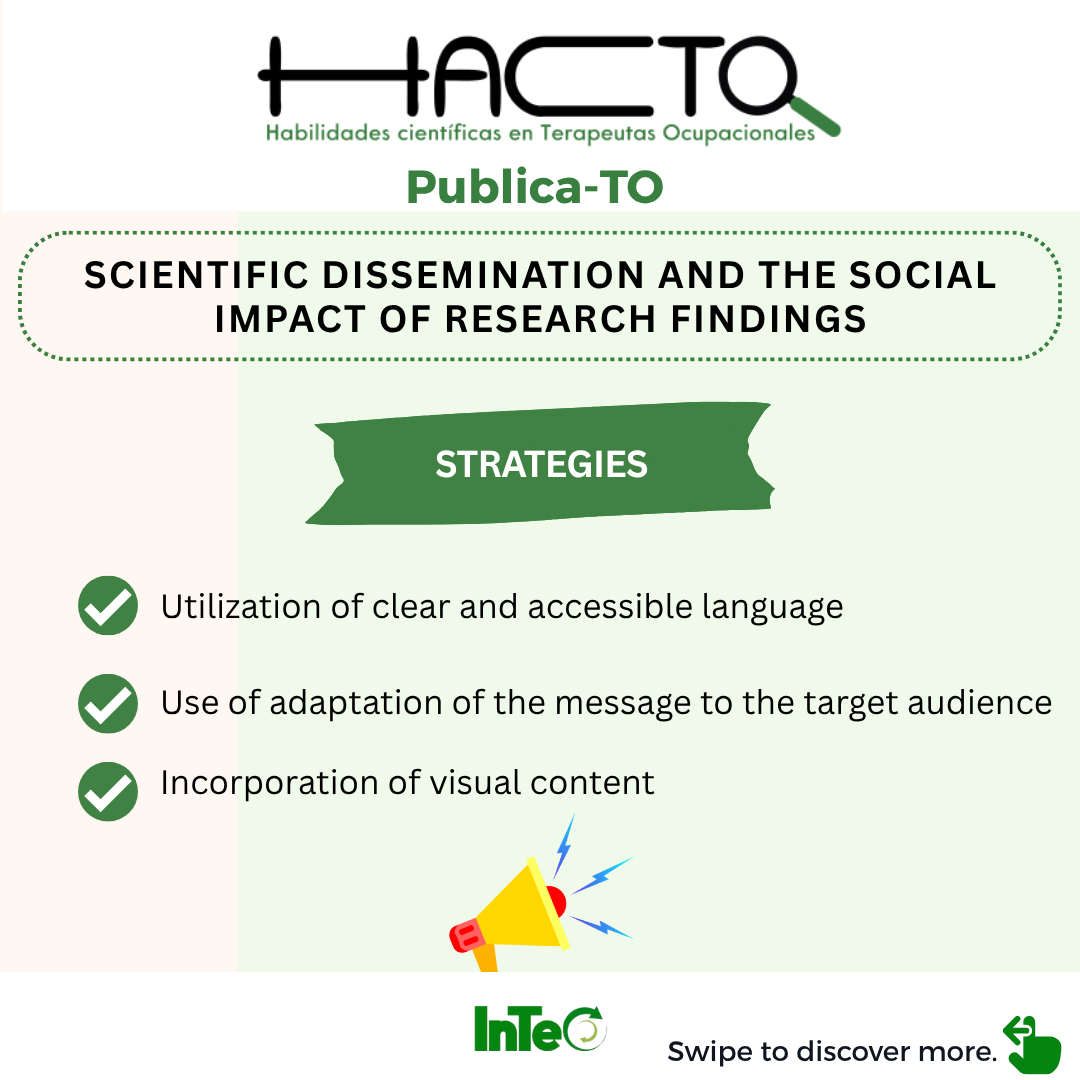
Strategies for scientific dissemination
When disseminating scientific knowledge, it is important to consider a set of strategies that facilitate understanding of the information to be conveyed. Some of these strategies include:
Use of clear, accessible language and adaptation of the message to the target audience
To ensure that information is clear and comprehensible to all audiences, it is important to adjust the terminology used. Additionally, depending on the target audience — which may include professionals, patients, family members, or the general public — adaptations in terms of content focus are necessary.
Incorporation of visual content
Using infographics, videos, and other visual resources can help to communicate information clearly and simply, making more technical content easier to understand. For further details, see the section on Infographics, videos, and dissemination platforms.
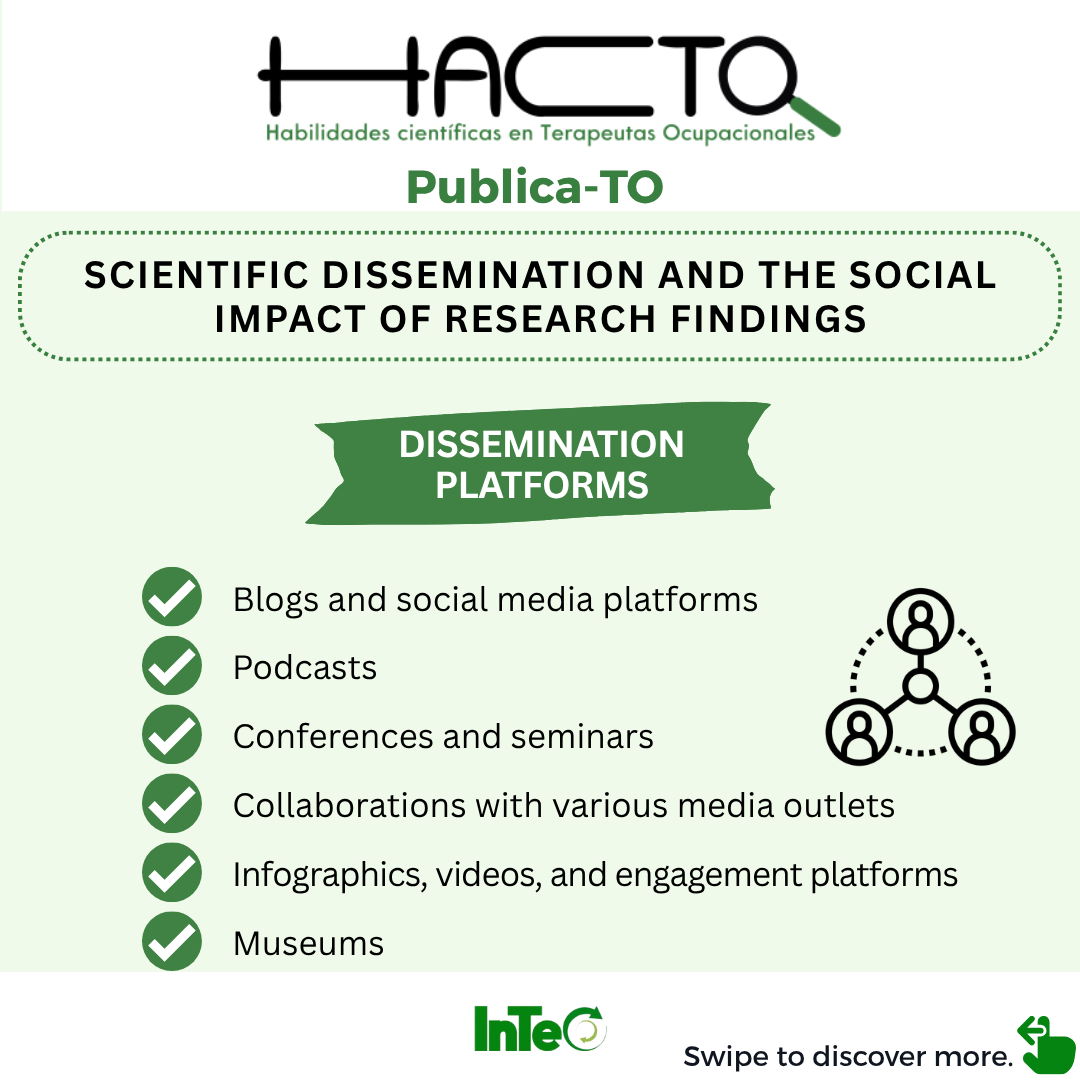
Scientific dissemination channels
A number of channels are currently available that allow different audiences to be reached, facilitating the transfer of information to society. Some of the channels for scientific dissemination include:
Blogs and social media
Today we have access to widely used digital platforms. For those working in research, making their work known to society is becoming increasingly important. From this perspective, social media and blogs are a useful tool. Their advantages include ease of use, the ability to reach large audiences, speed, and accessibility from any location at any time. This is a two-way channel, as the audience can respond, encouraging debate and reflection. It should be noted that, given these characteristics, they must be used with caution to avoid the spread of misinformation or “fake news.”
Podcasts
Podcasts are a good option for disseminating information in an engaging and accessible way. This channel allows concepts to be explained in plain language, facilitating understanding, and gives listeners the freedom to choose when to tune in — it is also compatible with carrying out other activities while listening. This dissemination channel is closely linked to social media, as podcast episodes can now be promoted through these platforms.
Conferences
Conferences can provide spaces aimed at both professionals and the general public, creating opportunities for the exchange of ideas and debate. One of their main advantages is that they facilitate connections between researchers, professionals, and members of the public with an interest in the topic, creating enriching meeting points.
Scientific events
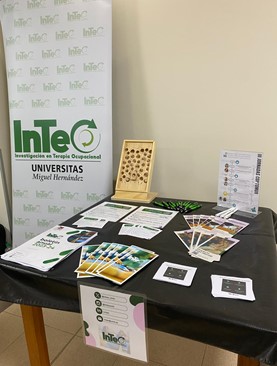
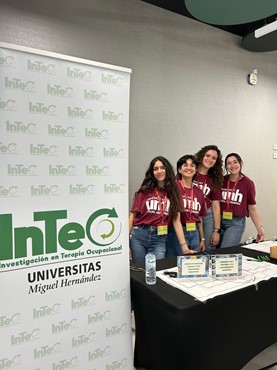
These settings can offer valuable opportunities for scientific dissemination. Examples of scientific events include Science Fairs, which are held annually in different cities. Other events include the European Researchers’ Night and dedicated science days in schools, secondary schools, and universities, among others. An example of a workshop held at the Elche Science and Technology Fair by the InTeO Group can be viewed here: https://www.youtube.com/watch?v=FTRGt5avK24).
Collaborations with different media outlets
Channels such as radio, newspapers, television, and interviews on platforms like YouTube are useful for reaching the general public. Working with these outlets, it is possible to produce news features, reports, interviews, and discussion panels, among other formats. Collaborations of this kind help to transform ideas into information that is easy to understand and engaging (an example of a YouTube collaboration – TEDx Talk can be viewed here: https://youtu.be/894jQkeewiU?si=qkFHCyTLzLPw7UgN).
Infographics, videos, and dissemination platforms
The use of infographics helps to simplify and communicate information in a more visual format. One of the defining characteristics of infographics is their combined use of visual material and written information, which promotes understanding of complex concepts in an accessible and even entertaining way (for further information, previous evidence can be consulted at: https://pubmed.ncbi.nlm.nih.gov/33342338/). Given their appealing format, some scientific journals include an infographics section on their website (an example from the British Medical Journal can be found at: https://www.bmj.com/infographics).
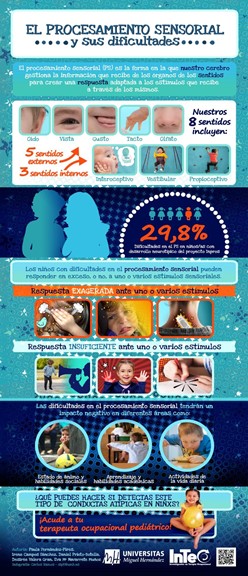
Ilustración 1. Infografía realizada por el Grupo InTeO
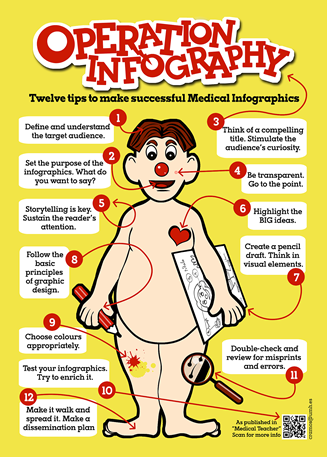
Ilustración 2. Infografía realizada para el artículo “Twelve tips to make successful Medical Infographics”
In the same way, the creation of videos for the dissemination of scientific information can be a useful channel for reaching the general public (an example produced by the InTeO Group can be viewed at the following link: https://youtu.be/uT_981Ugie0?si=YrLd79goFVtNZ15-).
Finally, dissemination platforms such as https://theconversation.com/es can be effective, as they use audiovisual strategies to transform science into engaging and publicly accessible content.
Museums
Museums can serve as spaces to foster curiosity and critical thinking. Given their characteristics, they can be a tool for bringing science closer to all audiences, particularly younger ones. In these settings, complex concepts can be transformed into hands-on experiences for citizens — such as workshops, short videos, and talks (an example of initiatives carried out by museums can be found at: https://mudic.es/actividades/#teatro).
Conclusion
In summary, scientific dissemination improves access to our findings for both the community and professionals. For the community, having access to comprehensible information can facilitate evidence-based decision-making and improve daily life. We also believe it is important to bring these dissemination activities to the public from an early age, encouraging children to see themselves as active agents in their own health. For professionals, this information can promote the integration of advances into everyday clinical practice. Finally, scientific dissemination is a tool for generating interest in our area of research, benefiting society and encouraging new collaborations..
Useful resources and references
What is scientific dissemination?
- https://dialnet.unirioja.es/servlet/articulo?codigo=5704469
- https://www.ui1.es/blog-ui1/que-es-la-divulgacion-cientifica-y-para-que-sirve
Manuals, guides, and guidelines for scientific dissemination

Mª Paula Noce
Occupational Therapist, Master's in Neurological Occupational Therapy and Master's in Public Health.Pre-doctoral Researcher in the PhD Program in Public Health and Medical and Surgical Sciences. Collaborator at InTeO.

Empar Casaña
Occupational Therapist, Master’s in Occupational Therapy in Neurology. FPU Pre-doctoral Researcher in the PhD Program in Public Health, Medical and Surgical Sciences. Contracted Researcher at InTeO.

Translate by: Beatriz Espinosa
Occupational Therapist, holding a Master's Degree in Intervention for Functional Diversity in Childhood and specialized training in child development and mental health. University degree officially recognized in Australia.
Noce, M. P., & Casaña Escriche, E. (2025, marzo 20). Scientific dissemination and the social impact of research findings. PublicaTO – Scientific Skills in Occupational Therapy by InTeO. https://hacto.umh.es/en/2025/03/20/scientific-dissemination-and-the-social-impact-of-research-findings/
This work is licensed under a Creative Commons Licence.
